The Cuban Revolution
The youngest person to participate in the last free elections was 88 years old in 2023. Free elections have not been held in Cuba for over 60 years. All this time, the government has been in the hands of the same people for whom the people never voted. They imposed communism on all state institutions and outlawed private enterprise. The military elite, which holds political power, controls every aspect of people's lives, from the price of sugar to the media and children's education. The country is in a state of perpetual crisis.
The 26th of July Movement, led by Fidel Castro, seized power in Cuba on January 1, 1959. At the time, they promised to restore the constitutional order that the Batista dictatorship had broken in 1952. However, Castro was lying. The world has seen images of the plaza filled with Cubans, supposedly supporting the revolution. But the reality is that even in that moment of glory, its leaders did not believe the people would vote for them. The Castros never held the free elections they had promised. Instead, they imposed the communist system. Censorship and the mass executions of opponents condemned the country to economic dependence, first on the Soviet Union and, in later years, on Venezuela, which they had helped to destroy. From the outset, the regime outlawed all media outlets except those owned by the communist state, for internal indoctrination and promotion abroad. Thus he distorted the facts, rewriting history with lies and nullifying the experience of democratic and liberal thought.
The lie was so well-constructed that, while tens of thousands of political prisoners languished in Cuban jails and young people were sent to forced labor camps for listening to rock music, having religious beliefs, being homosexual, or simply for not being communists, they called Cuba the island of freedom. The revolution was a lie.
Cuba, a medical powerhouse
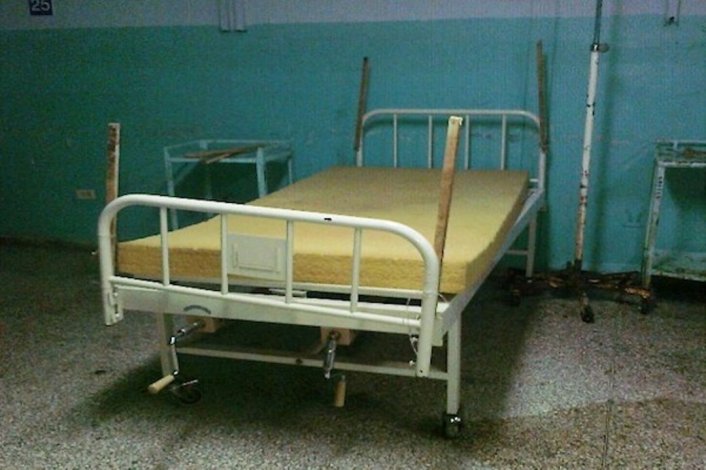
Propaganda claims that healthcare in Cuba is free, but in reality, medicines are expensive, and scarcity drives prices up on the black market, making them inaccessible to many. The regime boasts of having the best healthcare system in the world, but the quality of care and access to medicines for ordinary Cubans are not guaranteed. According to the official narrative, everyone is equal, but only the ruling class and tourists receive care in well-equipped hospitals. The rest have to go to dilapidated hospitals with appalling hygiene and shortages of supplies. Patients must bring their own food, sheets, and even drinking water. The conditions are so bad that they endanger patients. For example, in 2010, dozens of patients died of exposure in a single night at a psychiatric hospital in Havana.
The irony is that in communist Cuba, a paid healthcare system does exist. It's of better quality, but exclusively for foreigners. These specialized centers deny care to Cubans, who cannot enter even if they pay. Healthcare professionals are exploited and underpaid to the point that they prefer to go to medical missions in other countries, such as Venezuela, under conditions of semi-slavery. These missions are disguised with the myth of proletarian internationalism, when in reality they are commercial agreements in which the regime keeps more than 75% of the doctors' salaries. These missions are also used for espionage and ideological infiltration. For example, of 702 supposed Cuban doctors in Bolivia, 497 were not even medical school graduates.
Education in Cuba
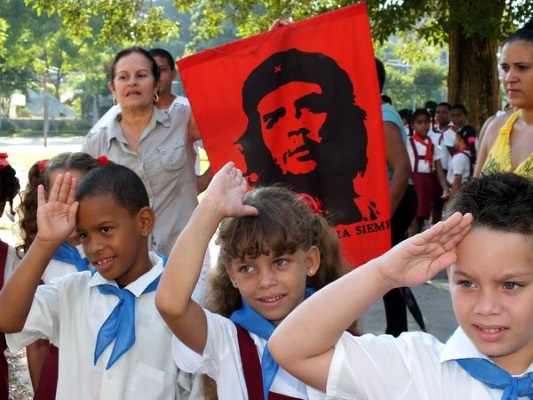
The vast majority of Cuban children can attend school, but the education system is thoroughly politicized and functions as a tool for indoctrination and control. Children of dissidents and religious figures are victims of bullying by both students and teachers. Young people critical of the system are expelled from university. Teachers are poorly paid, and the quality of instruction is deficient and outdated. Lacking the resources to train 21st-century professionals, the state graduates unprepared teachers through accelerated programs and calls them "emergency teachers." Another part of the myth is the supposed free nature of education, but the reality is that the salaries of all Cuban professionals are far below the true value of their work.
It is true that students do not pay tuition, but upon graduation they must complete several years of social service for an even lower wage and in a location determined by the State. Through this system of semi-forced labor, the State recoups its educational expenses. Education in Cuba is not free.
Hunger in Cuba
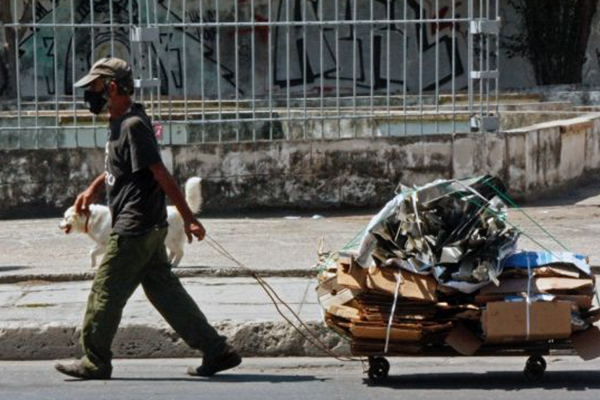
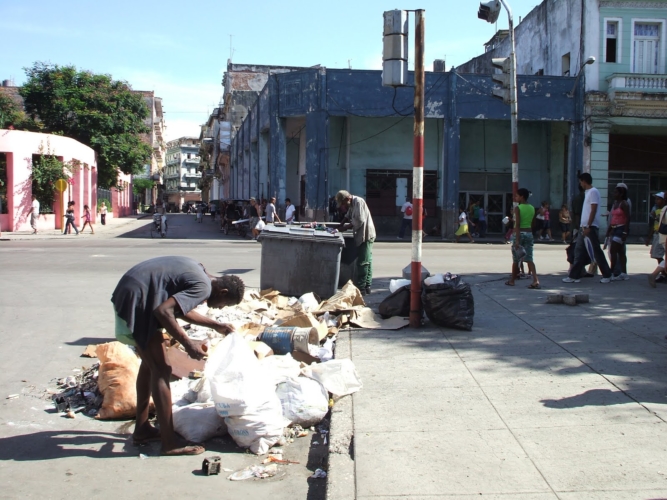
One of the most terrible humiliations imposed by the totalitarian state on Cuban families is the scarcity of food and the difficulty in obtaining it. Through the rationing system, those who can afford it have access to a few low-quality foods that barely cover basic needs for about a week. Finding food for the rest of the month consumes a large part of the time, energy, and entire salaries of most Cubans. Cuba imports 80% of the food it consumes, but it does not satisfy the population's food and nutritional needs. In his delusional speeches, Fidel Castro even promised that Cuba would produce so much milk that it could fill Havana Bay. However, the regime destroyed the country's productive capacity and continues to suppress independent production to this day.
In 1959, there were more cattle than Cuban citizens, but by 2021, beef was so scarce that it was reserved exclusively for foreigners. Killing a cow for food without state permission was prohibited and punishable by years in prison. The situation was so dire that some even resorted to eating domestic animals like cats. Six decades after the revolution and the establishment of communism, Cubans were living in hunger.
The revolution of the poor
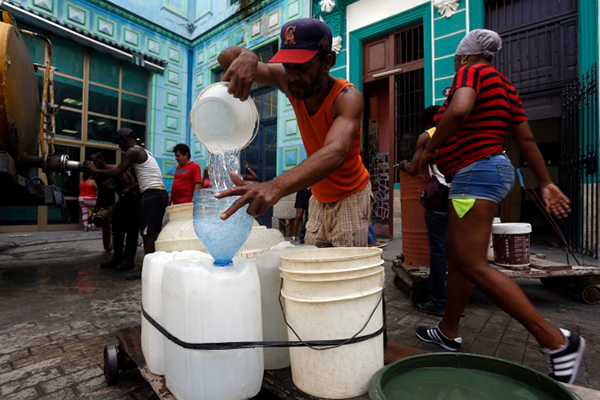
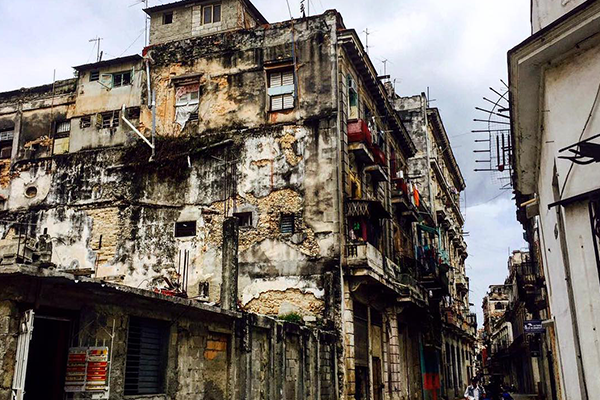
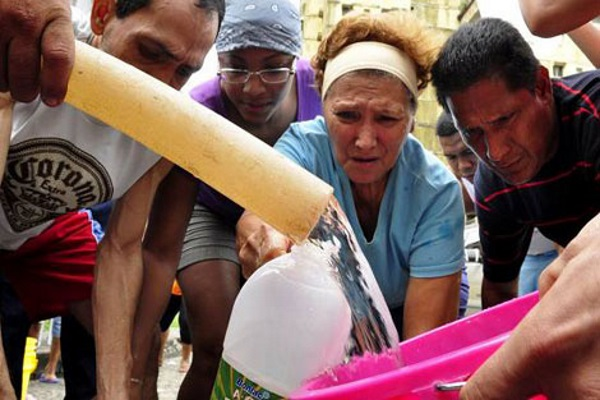
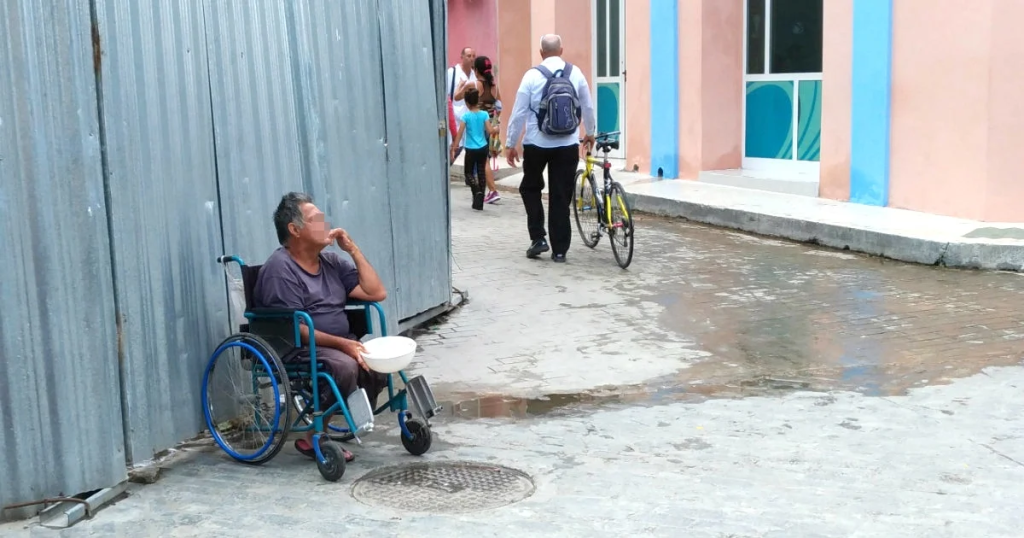
In addition to hunger, in socialist Cuba more than two million people suffer directly from a housing shortage. More houses are being demolished than are being built. According to conservative sources, one in seven buildings is in danger of collapse. Three generations live in the same house, with the resulting family conflicts caused by overcrowding. Eight out of every 100 homes lack a continuous electricity supply. And almost seven out of every 100 Cubans do not have a permanent water supply.
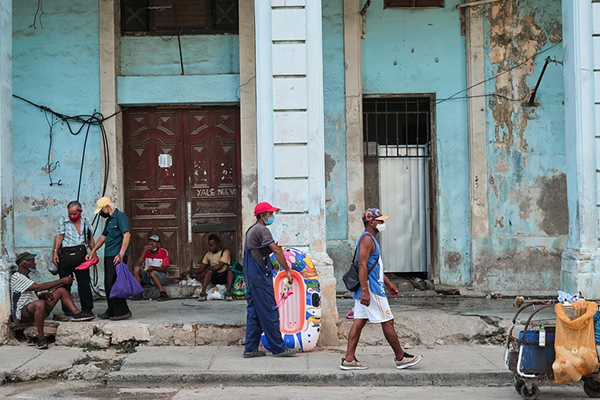
In 2020 alone, dozens of building collapses were reported, resulting in fatalities, including children and the elderly. Those who survived have to continue living there. Today, Cubans live amidst ruins.
The Cuban exodus
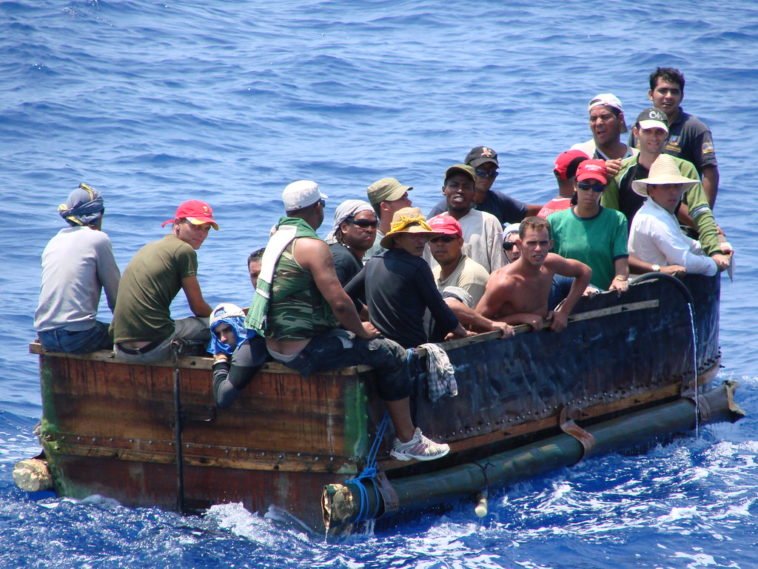
Material poverty is compounded by political oppression and the inability to express or develop independent initiatives or alternatives to the official line. Many seek to leave the country as the only immediate solution. In fact, around two million Cubans have taken the path of exile despite the restrictions imposed on leaving the island. Separated families and mass exoduses are part of Cuba's recent history. Almost all of them were orchestrated by the authorities to alleviate internal tensions and also as blackmail against the international community, especially the United States administration. This happened in the Mariel boatlift, when in 1980, 125.000 Cubans managed to leave the country on boats sent by their relatives from Florida. The regime allowed it on the condition that the boats be filled with common criminals released from prisons and patients from psychiatric hospitals.
The same thing happened in 1994 with the Cuban rafter crisis. Castro withdrew the coast guard in response to the massive protests against the regime taking place in Havana. Between August and September of that year, more than 32.000 Cubans were intercepted. The death toll is not exact, but Cuban-American organizations that worked rescuing rafters during those years estimate that only one in four boats that left the island made it back. Thousands disappeared forever at sea. Yet, despite the deaths, the dangers, and the uncertainty, Cubans continue trying to escape. Free elections haven't been held in Cuba for decades, but this constant exodus of Cubans is the people's vote against the communist system and the most eloquent symbol of the revolution's failure.
Protests in Cuba
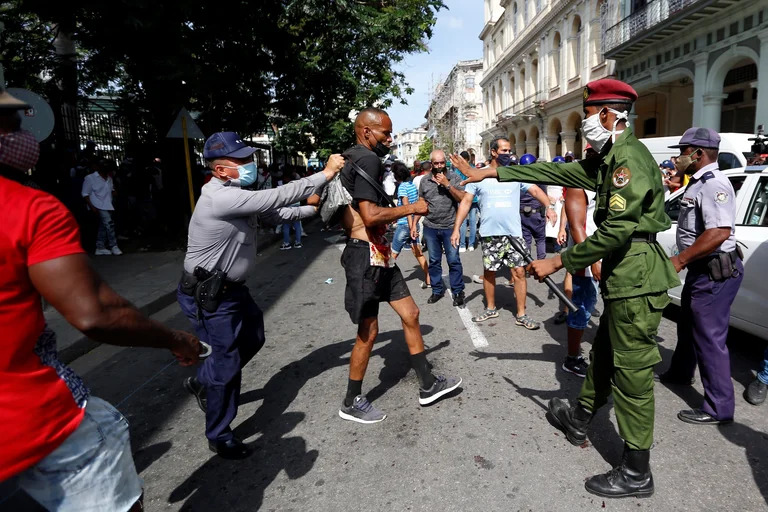
Resistance to Castroism began from the outset and has continued to this day, despite the repression. A segment of the Cuban people has never ceased to rebel against the totalitarian regime, an opposition with popular support despite the fear instilled by the authorities. During these years, the dictatorship has gone so far as to punish entire populations. During the 60s and early 70s, for example, thousands of families were removed from their homes and relocated hundreds of kilometers away to concentration camps, which became captive towns. According to recovered Stasi archives, there were up to 65.000 political prisoners serving sentences simultaneously in the island's jails. Today, the number of those convicted for political reasons is even higher, not counting the thousands of innocent young people whom the regime keeps in prison preventively on the fabricated charge of pre-criminal dangerousness. Today, those who express dissent are harassed, detained, and threatened by the political police or state security forces. The repressive methods employed by regime agents can range from social isolation, expulsion from workplaces or schools, physical violence, and imprisonment to assassination, as they did with opposition leader Oswaldo Payá and the young Harold Cepero in the 2012 attack.
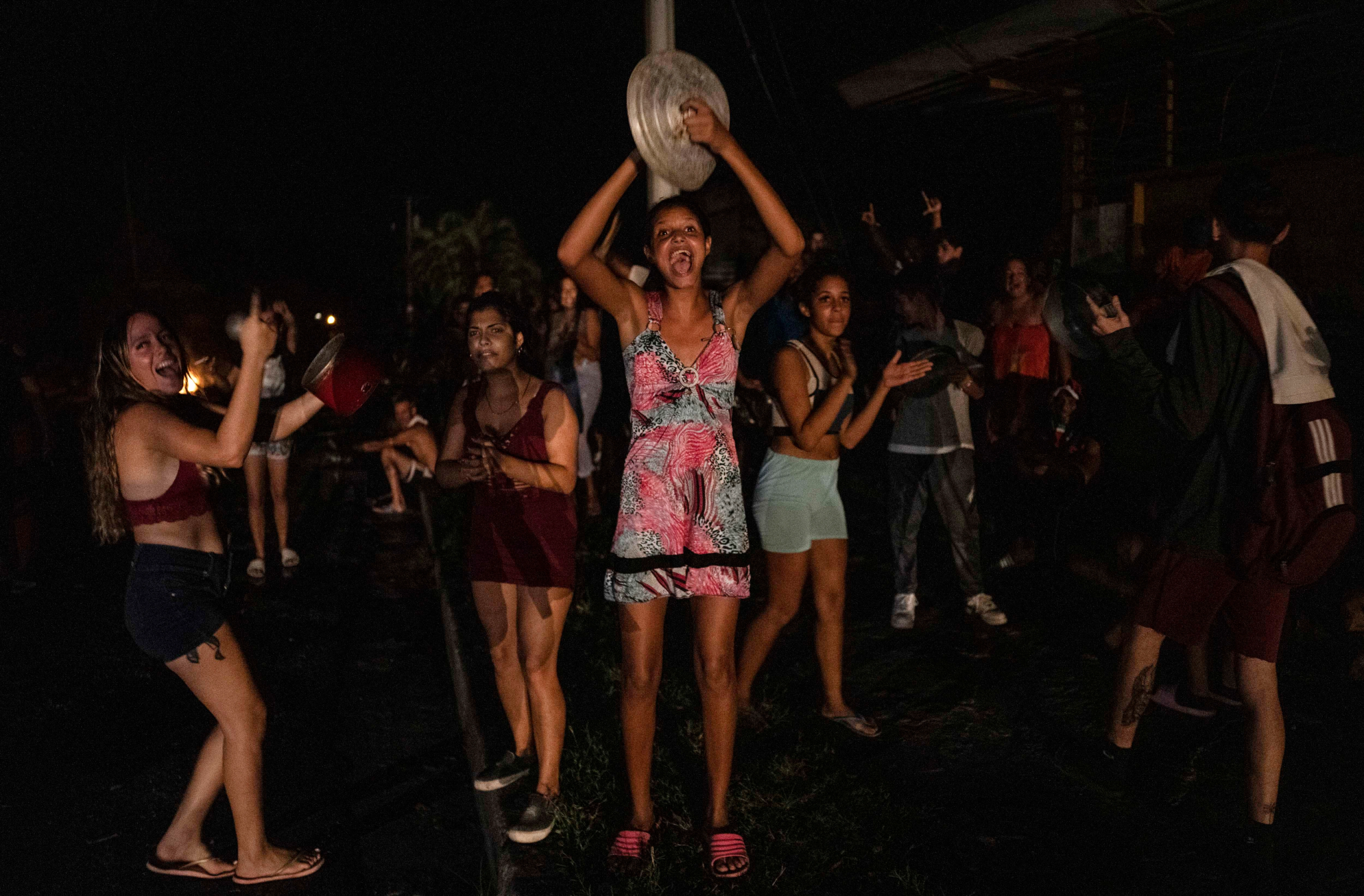
However, Cubans continue to fight with ever-increasing strength. Young activists are taking to the streets. Many of us demand a change to the system. Organized and spontaneous public protests are multiplying throughout the country. The voices of opposition and the Cuban people's will for change can no longer be ignored. The demand for freedom continues to spread irreversibly. And the myths created by Castroism have lost their power over the people. We Cubans are tired of the lies.