
FOR IMMEDIATE RELEASE
19 May 2026
The European Parliament debates the end of the EU-Cuba political dialogue and cooperation agreement following visits by representatives of Pasos de Cambio.
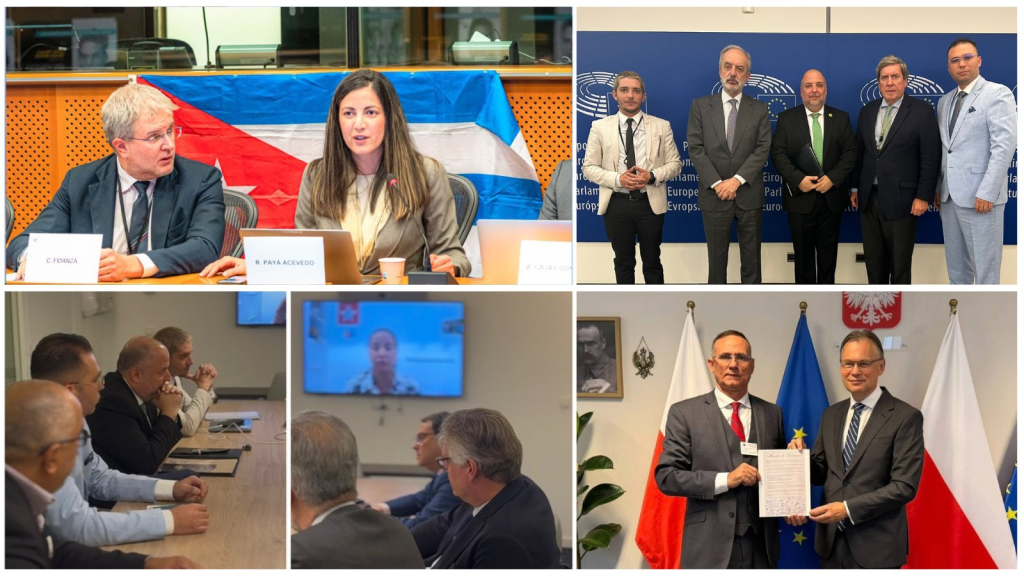
Representatives of the Steps for Change coalition delivered the Liberation Agreement to MEPs from various political groups, requesting the activation of Article 85, paragraph 3, letter b), of the ADPC and the suspension of the agreement.
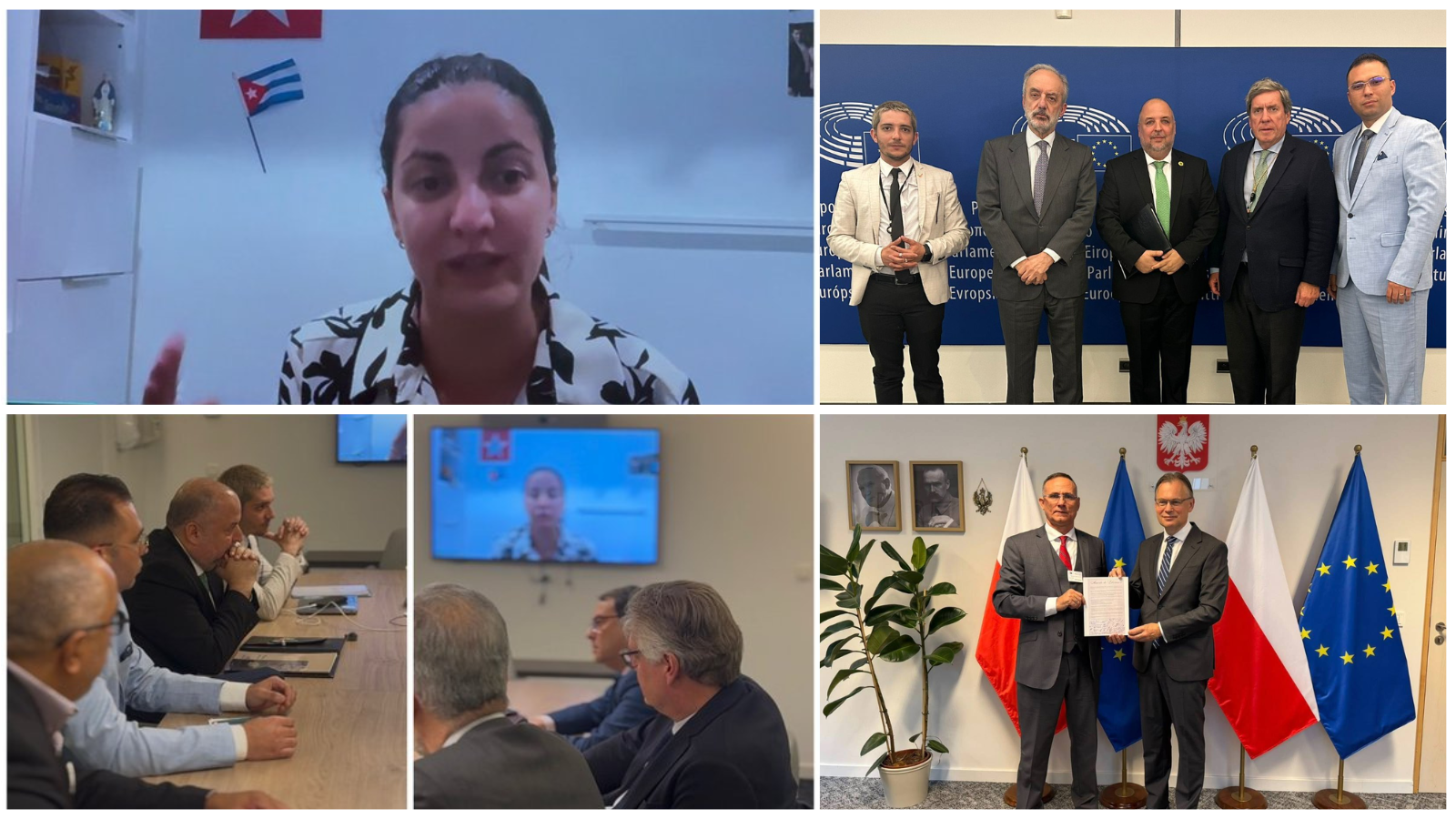
BRUSSELS — Following recent missions by representatives of the Steps for Change coalition to the European Parliament advocating for an end to support for the dictatorship, the European Parliament held a plenary debate on May 19, 2026, in which MEPs from various political groups reiterated their demand to end the Political Dialogue and Cooperation Agreement (PDCA) between the European Union and the Cuban regime.
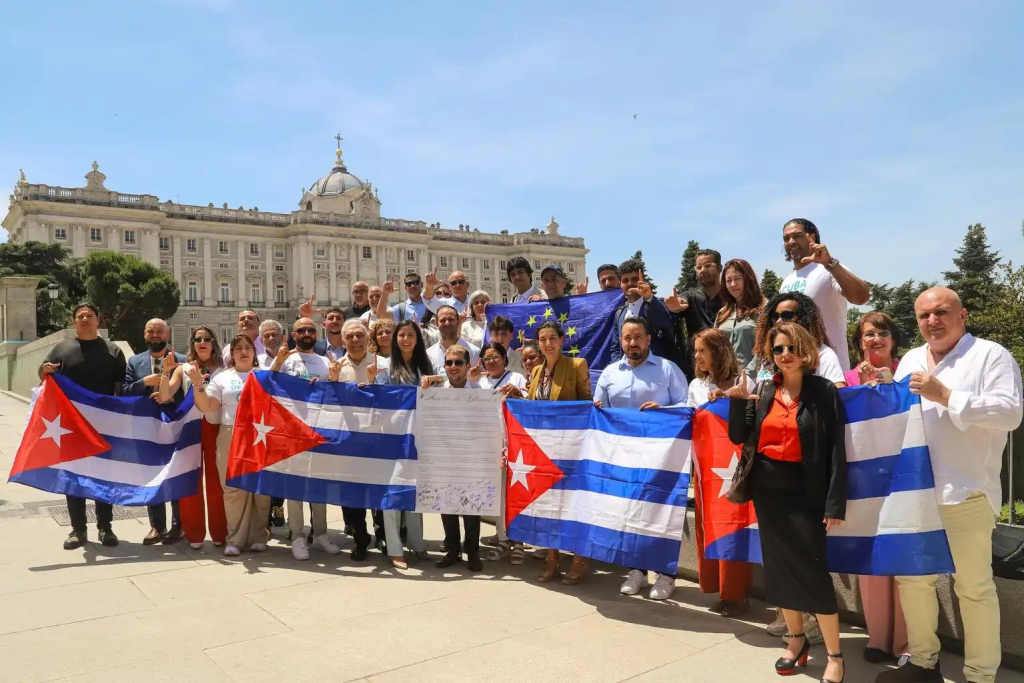
During the visits, representatives of Pasos de Cambio formally presented the Liberation Agreement—the unified transition framework signed on March 2, 2026, by more than fifty Cuban opposition and civil society organizations, both on the island and in exile—to members of the European Parliament from various political groups. The Liberation Agreement establishes a three-phase roadmap for democratic transition: Liberation, Stabilization and Reconstruction, and Democratization, culminating in the first free, fair, multiparty, and internationally supervised general elections in Cuba.
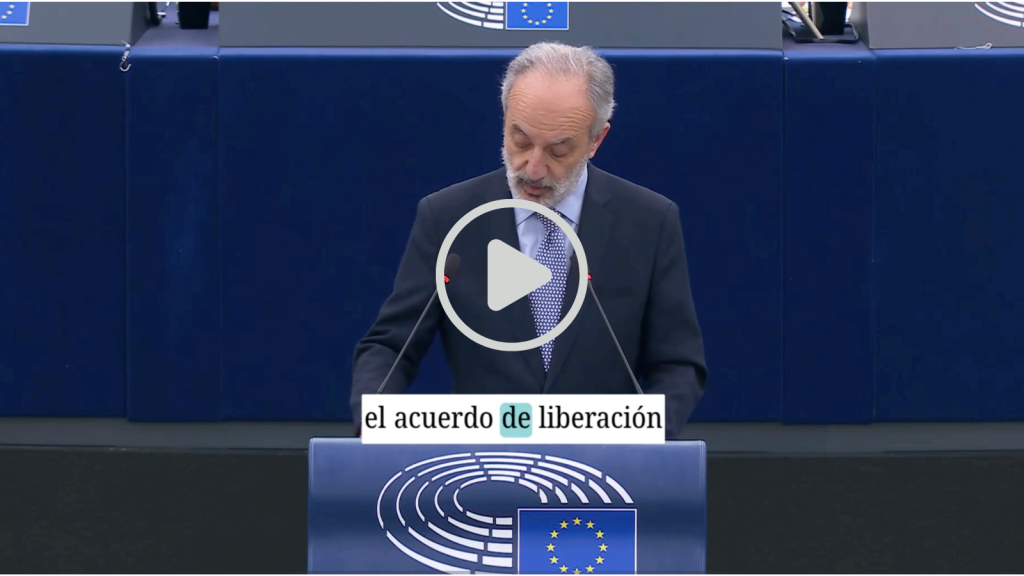
During the plenary debate, MEP Francisco José Millán Mon (EPP, Spain) spoke, highlighting the persistent and documented human rights violations by the Cuban regime, and the importance of the Liberation Agreement as a framework for democratic transition in Cuba.
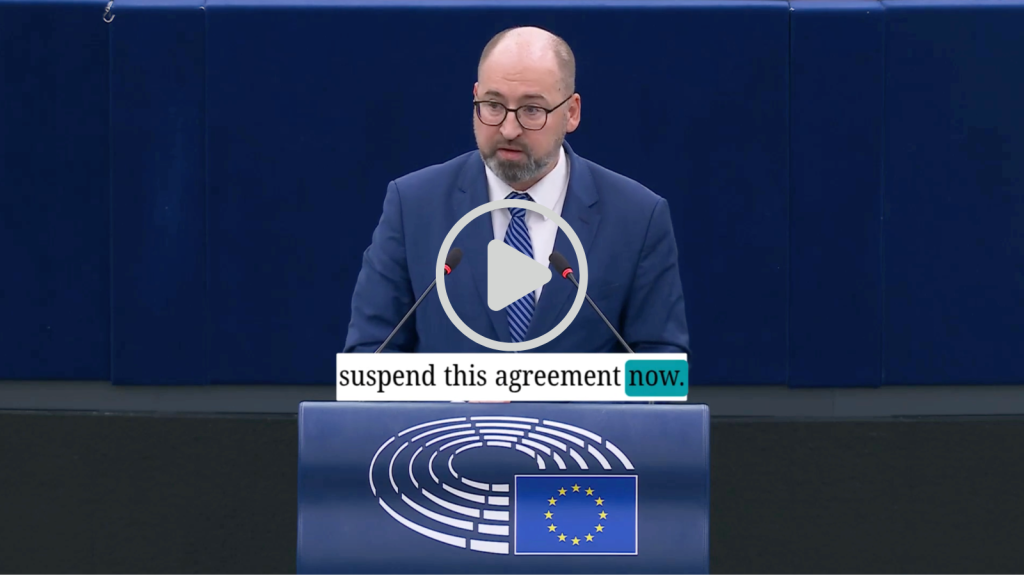
MEP Adam Bielan (ECR, Poland) joined the call for the suspension and termination of the agreement, highlighting Havana's direct involvement in actions hostile to European security — including the documented presence of Cubans as the largest foreign contingent serving Russian forces in the war against Ukraine, as well as Cuban involvement in acts of sabotage on EU territory.
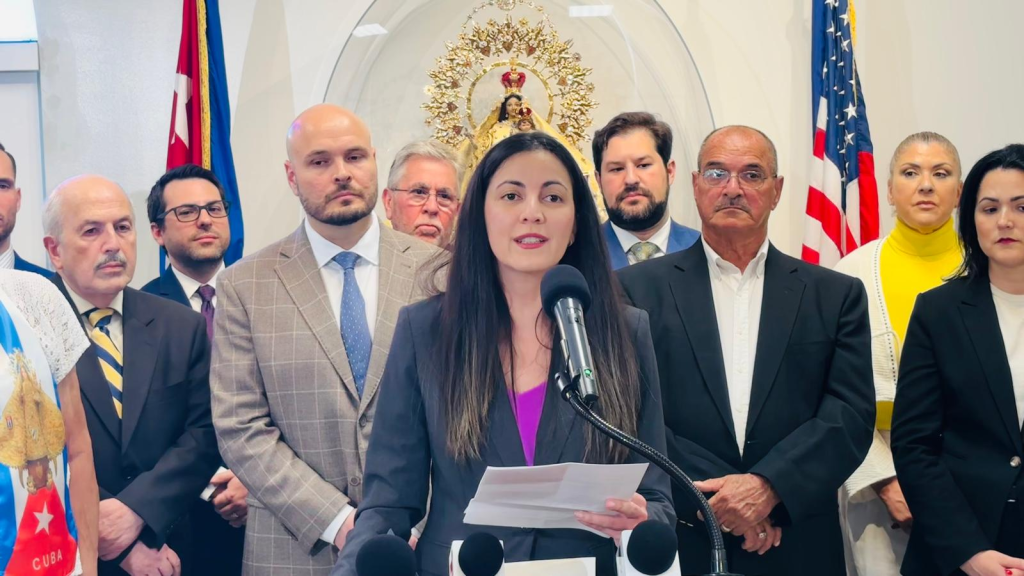
Rosa María Payá, founder of Cuba Decide And leader of the Steps for Change coalition, declared:
“In recent weeks, the voice of the Cuban people—the more than one thousand political prisoners, the millions suffering from blackouts and hunger, and those forced into exile—has been heard in the European Parliament. For ten years, the Cuban Democratic Peace Process (CDPP) has failed in its one essential purpose: to advance human rights and democratic principles in Cuba. Europe cannot continue to fund a regime that imprisons its citizens, exports repression to Venezuela and Nicaragua, sends mercenaries to fight for Russia in Ukraine, and participates in acts of sabotage on European soil. The Cuban opposition is united, and we have a plan: the Release Agreement. What we ask of Europe is consistency with its own values. Suspend the CDPP. Sanction the human rights violators. Recognize the Release Agreement as the framework for a peaceful, Cuban-led democratic transition. The Berlin Wall of our time is in Cuba, and it is ready to fall. We just need everyone to push together.”
The debate is framed within a series of previous European Parliament resolutions—adopted in September 2021, July 2023, and March 2024—which have repeatedly called on the Council to activate Article 85(3)(b) of the CPTDA, urgently convene the Joint Committee, and consider suspending the agreement under Article 86. More recently, paragraph 71 of the European Parliament's report on the approval of the EEAS management for the financial year 2024 (A10-0053/2026) deplored the EEAS's failure to adequately review the implementation of the CPTDA and called for the activation of Article 86 and its termination.
CONTACT:
# # #
Regarding the Liberation Agreement
The Liberation Agreement is a comprehensive transition framework developed by leaders of Cuban civil society and democratic opposition figures. It establishes a roadmap for Cuba's path from dictatorship to democracy, encompassing political, economic, and social reconstruction, with a commitment to holding free, fair, and multiparty elections as the final stage.